





Introduction
Among the many tactical dimensions that define the identity of Delta Force, long-range engagement stands as one of the most technically demanding and strategically decisive aspects of gameplay. Unlike close-quarters combat, where reflexes and aggression dominate, long-range warfare demands discipline, calculation, environmental awareness, and a deep understanding of ballistic behavior. This article focuses exclusively on mastering long-range combat—from weapon configuration to battlefield positioning—structured as a progressive timeline of skill acquisition and battlefield application.
Understanding the Role of Long-Range Combat in Delta Force
Long-range combat is not simply about eliminating enemies from afar—it is about controlling space and influencing the tempo of battle. A skilled marksman forces opponents into predictable paths, disrupts coordinated pushes, and creates pressure without direct confrontation. This indirect dominance is what elevates long-range players into strategic assets.
At a macro level, long-range specialists function as overwatch operators. Their presence allows teammates to maneuver with reduced risk, knowing that exposed threats can be neutralized quickly. This creates a layered battlefield dynamic where distance becomes a weapon rather than a limitation.
Core Responsibilities
- Provide overwatch for advancing teammates
- Eliminate high-value targets
- Disrupt enemy formations and reinforcements
Weapon Selection and Ballistic Fundamentals
Weapon selection is the foundation of long-range efficiency. Each rifle category presents a different balance between damage, stability, and firing cadence. Bolt-action rifles typically deliver maximum lethality per shot, while semi-automatic rifles provide sustained pressure.
Ballistic modeling in Delta Force introduces realistic projectile physics. Bullet travel time and drop must be accounted for, especially at extended distances. This transforms aiming into a predictive exercise rather than a point-and-click mechanic.
Key Weapon Attributes
- Muzzle velocity: influences bullet speed and drop
- Recoil pattern: affects follow-up shot accuracy
- Effective range: determines optimal engagement distance
Recommended Weapon Types
- Bolt-action rifles for precision eliminations
- Semi-automatic marksman rifles for sustained engagements
Optics and Scope Calibration Techniques
Optics serve as precision instruments rather than simple zoom tools. Mastery of scope calibration allows players to convert distance estimation into accurate shot placement. Understanding reticle markings, such as mil-dots, significantly increases consistency.
High magnification scopes provide better target clarity but reduce peripheral awareness. Lower magnification enhances situational awareness but limits detail at distance. Choosing the correct optic depends on engagement range and map design.
Calibration Methods
- Use environmental references to estimate distance
- Apply reticle markings for elevation adjustment
- Practice consistent zeroing techniques
Positioning and Terrain Exploitation
Positioning determines survivability and effectiveness more than raw shooting skill. Elevated terrain provides superior visibility, but it also increases exposure. The key is balancing vantage point with concealment.
Effective positions allow for multiple lines of sight while maintaining escape routes. Static positioning without fallback options leads to predictable gameplay and eventual elimination.
Optimal Position Characteristics
- Elevated vantage point
- Reliable cover or concealment
- Multiple retreat paths
Target Acquisition and Prioritization
Efficient target selection is a defining trait of advanced players. Eliminating a single high-value target can shift the momentum of an entire engagement. Random eliminations, while satisfying, rarely produce strategic advantage.
Target acquisition involves scanning patterns, recognizing movement behavior, and quickly assessing threat levels. Maintaining awareness beyond the scope prevents tunnel vision.
Priority Targets
- Enemy snipers
- Squad leaders
- Stationary heavy weapon operators
Shot Execution and Breathing Control
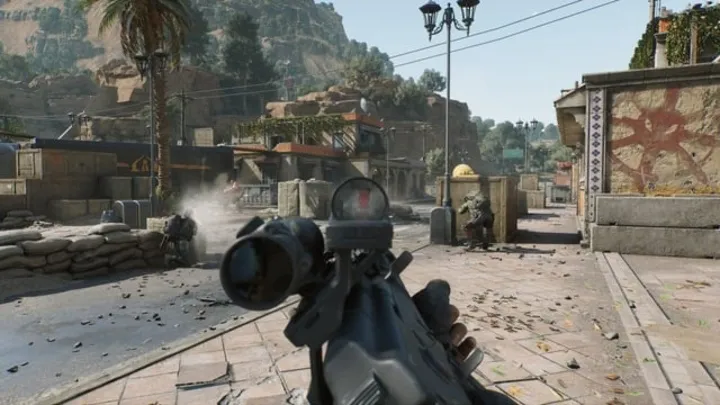
Precision shooting is a combination of timing, stability, and prediction. Players must synchronize their shot with moments of minimal sway while accounting for target movement and bullet travel time.
Breathing mechanics often influence weapon stability. Learning to fire during controlled moments ensures higher accuracy, especially under pressure.
Execution Steps
- Align reticle with predicted target path
- Compensate for distance and movement
- Fire during minimal sway
Environmental Awareness and Adaptation
Environmental variables directly influence long-range effectiveness. Visibility can fluctuate based on lighting conditions, weather effects, and terrain complexity. Ignoring these factors leads to inconsistent performance.
Adaptability is critical. Players must continuously adjust their positioning, aiming, and engagement strategy based on environmental shifts.
Environmental Considerations
- Lighting conditions and visibility
- Weather effects such as fog or rain
- Map-specific sightlines
Stealth and Counter-Detection Strategies
Stealth is essential for maintaining long-term effectiveness. Each shot increases the likelihood of detection, especially against attentive opponents. Remaining in a single position too long invites counter-sniping.
Effective stealth involves minimizing both visual and auditory signatures while constantly repositioning.
Stealth Techniques
- Relocate after each engagement
- Avoid silhouetting against the skyline
- Use cover to break line of sight
Team Coordination and Communication
Long-range players achieve maximum impact when integrated into team strategy. Communication ensures that information gathered from a distance translates into actionable decisions.
Providing accurate callouts and coordinating with team movements enhances overall efficiency and reduces unnecessary risks.
Communication Practices
- Call out enemy positions and movements
- Coordinate timing with team advances
- Maintain continuous situational updates
Common Mistakes and Tactical Corrections
Even experienced players develop habits that limit effectiveness. Overconfidence, static positioning, and poor target selection are among the most common issues.
Identifying these patterns and actively correcting them is essential for progression.
Frequent Errors
- Remaining stationary for too long
- Ignoring environmental changes
- Targeting low-impact enemies
Corrections
- Reposition frequently
- Adapt to dynamic conditions
- Focus on high-value targets
Advanced Techniques: Predictive Shooting and Map Control
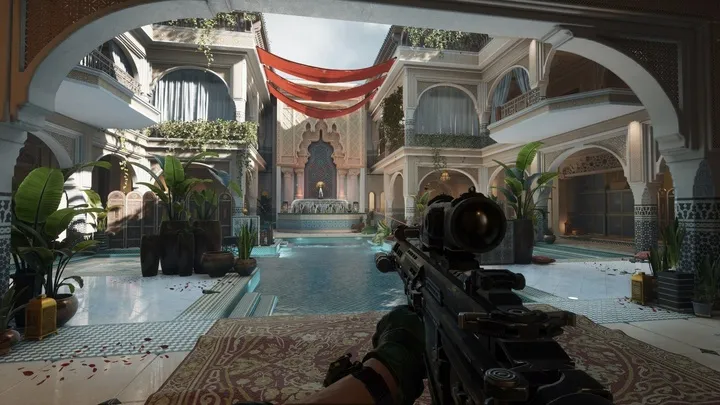
At higher skill levels, long-range combat becomes predictive rather than reactive. Players anticipate enemy movement based on patterns and map flow, allowing them to pre-aim critical areas.
Map control is the ultimate objective. By dominating key sightlines, long-range specialists can restrict enemy movement and dictate engagement terms.
Advanced Skills
- Predictive aiming based on movement patterns
- Pre-scoping high-traffic zones
- Denying enemy access to critical areas
Conclusion
Mastering long-range engagement in Delta Force requires a layered approach that combines mechanical precision, tactical awareness, and strategic thinking. Each component—from weapon selection to advanced predictive techniques—builds toward a cohesive skill set that enables battlefield dominance.
Long-range combat is not defined by distance alone, but by control. Those who master it influence not just individual engagements, but the entire flow of battle. With discipline and continuous refinement, players can transform from passive observers into decisive operators.