




Introduction
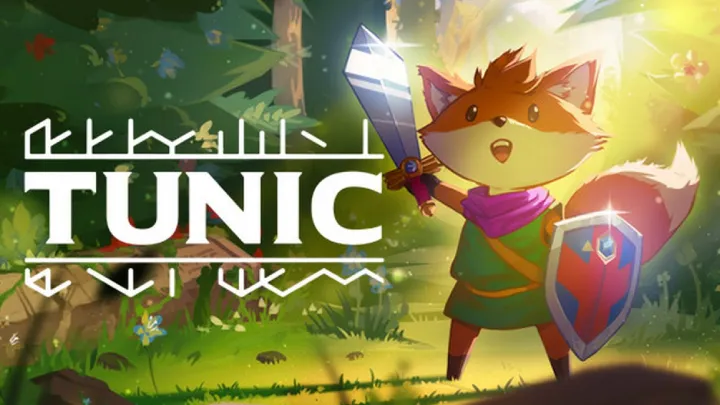
Tunic, developed by Andrew Shouldice, is an indie action-adventure game that captures the essence of exploration and the thrill of uncovering hidden mysteries. With its charming art style and engaging gameplay, Tunic draws players into a whimsical world inhabited by anthropomorphic animals. What sets Tunic apart, however, is its commitment to telling a rich narrative without the reliance on traditional dialogue or exposition. Instead, the game communicates its story through discovery, environmental storytelling, and a cryptic language that challenges players to piece together their understanding of the game world. This article delves deeply into one of the game’s most compelling issues: the theme of mastery through exploration. By examining how exploration and player agency create a unique sense of ownership and identity within the game, we can better appreciate Tunic's innovative approach to storytelling and gameplay.
The Art of Discovery
A Non-linear Journey
From the moment players step into the shoes of the titular fox, they are enveloped in a beautifully crafted world of lush environments, intricate puzzles, and hidden secrets. Tunic's structure emphasizes non-linear exploration, allowing players to traverse vast landscapes at their own pace. The freedom to explore is paramount; players often stumble upon hidden caches of items, lore, and treasures that enhance their understanding of both the world and the challenges that lie ahead.
The Intrigue of Environmental Storytelling
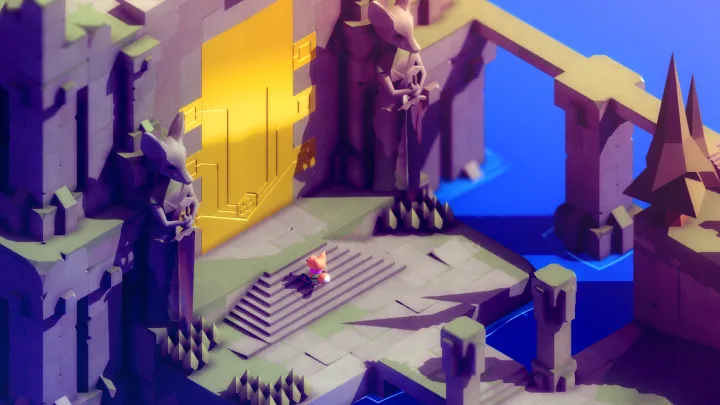
Environmental storytelling plays a significant role in immersing players in the game's lore. Clues about the world and its history are embedded in the landscapes, architecture, and enemy designs, compelling players to pay attention to their surroundings. For instance, enigmatic statues, cryptic symbols, and ancient ruins provide context and depth, raising questions that drive curiosity. This method invites players to develop interpretations based on their own experiences and insights, making each player's journey uniquely personal.
The Role of Mystery in Narrative
Cryptic Language and Its Significance
One of Tunic's most distinctive features is its use of a made-up language, which serves as a barrier and a bridge to comprehension. The mysterious script looks like gibberish at first but gradually reveals its meaning as players progress. Through signs, manuals, and inscriptions scattered throughout the game, the cryptic language encourages players to engage actively with the environment.
The Challenge of Interpretation
Deciphering this language introduces a puzzle-like element, where players must rely on context clues and their problem-solving skills. This aspect of the game promotes a sense of ownership over the narrative, as players become co-creators of their understanding. It’s a journey of not just physical exploration but also cognitive engagement, where each discovery shapes a player's narrative experience.
Cultivating Player Agency
Player Choice and Exploration
Tunic emphasizes player agency, allowing individuals to make choices that influence their experience. This agency is crucial for crafting a sense of mastery, as players are not just passive recipients of a story but active participants in shaping it. The game's mechanics encourage exploration and experimentation, with various paths leading to different outcomes and discoveries.
Learning Through Failure
Failure is another cornerstone of the mastery theme in Tunic. Players will encounter challenging enemies and complex puzzles that often lead to setbacks. However, each failure is a learning opportunity. The game rewards persistence, encouraging players to adapt their strategies and refine their skills over time. This trial-and-error approach ensures that each engagement is a step toward developing mastery of the game’s mechanics and environments.
Combat and Exploration Integration
Engaging Combat Mechanics
Combat in Tunic is intricately tied to exploration. Players engage with various enemies that pose unique challenges, requiring them to navigate their surroundings effectively while employing tactical decision-making. The simple yet satisfying combat mechanics encourage players to experiment with different strategies and weapons, further reinforcing the sense of agency.
The Interplay of Combat and Discovery
The integration of combat and exploration creates a dynamic gameplay loop. Players must balance their desire to explore with the necessity of combat, resulting in a rhythm that keeps the gameplay engaging. As players uncover areas filled with treasures and lore, they must also contend with the threats that protect these secrets, thus enriching the overall experience.
The Significance of Mastery
The Psychological Reward of Mastery
As players delve deeper into Tunic, the theme of mastery emerges as a profound psychological reward. Gaining expertise in navigating the game’s world and its combat enhances feelings of accomplishment and satisfaction. Each new discovery contributes to a growing sense of competence that motivates players to continue exploring.
Building a Personal Connection
Mastery fosters a personal connection between players and the game. As individuals overcome challenges and unravel mysteries, they forge a bond with the world and its characters. This connection transforms Tunic from a mere game into a memorable experience, where players not only engage with the narrative but also with their own growth and understanding.
The Role of Secrets in Player Engagement
Hidden Areas and Collectibles
The environment of Tunic is filled with secrets, including hidden areas and collectibles that players can discover. These secrets are often tucked away in hard-to-reach places or require specific actions to access, prompting players to think critically about their surroundings. Finding these treasures generates excitement and curiosity, pushing players to explore every nook and cranny.
The Impact of Rewards on Exploration
The rewards for discovering secrets range from new abilities to lore pieces that enhance the narrative. This encourages players to invest time in exploration, knowing that their efforts may yield both practical benefits and enriching story elements. It turns mundane exploration into rewarding adventures, where every corner holds the potential for discovery.
The Emotional Journey of the Fox
Personal Growth and Identity
Throughout the game, the titular fox’s journey is paralleled by the player’s own growth. As the fox overcomes obstacles and gains new abilities, players witness an emotional evolution that reflects their own experiences. The journey is not just about mastering gameplay mechanics; it’s about discovering who the fox is in relation to the world.
Connection to Broader Themes
The fox’s journey also resonates with universal themes of self-discovery, resilience, and growth. Players are invited to reflect on their own paths, making Tunic not just an action-adventure game but a metaphor for personal exploration and mastery in life. This emotional layer adds depth, encouraging players to engage with the narrative on a personal level.
Conclusion
Tunic stands out in the gaming landscape as a profound exploration of mastery through the art of discovery and environmental storytelling. By emphasizing player agency and innovation, the game crafts a unique experience where exploration is not only a means to an end but a rewarding journey in itself. As players navigate the intricate world, unravel mysteries, and confront challenges, they cultivate not just skills but also a deep emotional connection to the narrative and the protagonist. Through its innovative gameplay mechanics and compelling narrative, Tunic invites players to experience the joy of exploration, mastery, and personal growth that transcends traditional gaming narratives.